發布日期:2005-10-01更新日期:2005-10-01
Aboriginal Handicraft Center Keeping the Indigenous Culture Alive
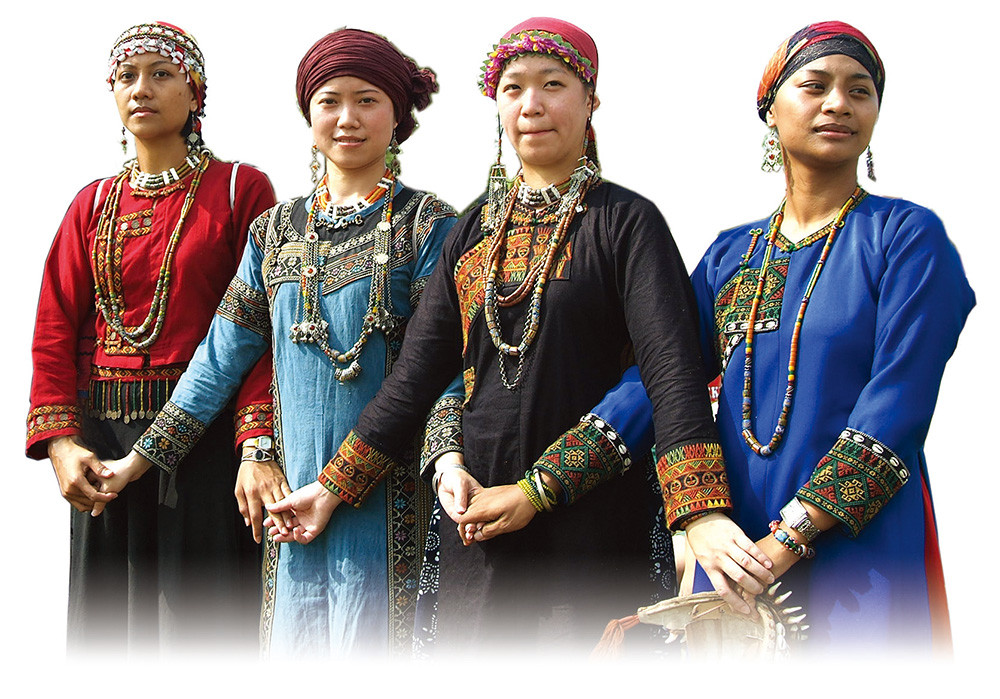
In order to pass down the spectacular indigenous culture that exists in Taiwan, the Commission of Indigenous Affairs of the Kaohsiung City Government established the Aboriginal Handicraft Center in 2003. The center is aimed to help indigenous people to acquire skills on creating traditional handicrafts while exalting the indigenous culture. In the meantime, the commission also hopes to transform the traditional handicrafts into a trade of competitive cultural goods and thus create more employment opportunities for indigenous people. Currently, droves of old and middle-aged indigenous people who used to work as laborers, especially females, are working hard to learn the skills passed down by their ancestors. It is a unique opportunity for them to seek inspiration from the traditional handicrafts and to establish a high value-added cultural industry.
Recurrence of the Legend
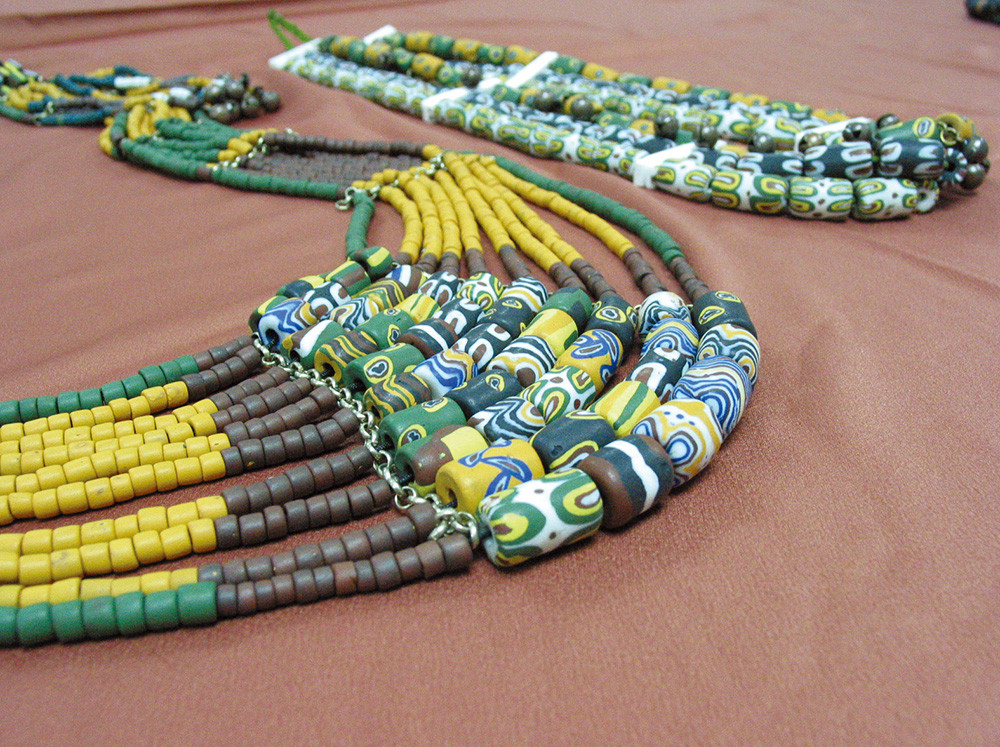
In the hope of promoting the indigenous culture and stimulating the development of the cultural industry, the Aboriginal Handicraft Center provides a beadwork workshop as well as various workshops on leather sculpture, pottery, weaving, embroidery, applique, metal craft, etc. Glazed beads are highly connected with ancient legends. In the early days, the glazed beads symbolized a high social status and only the nobles could wear them. However, the glazed beads have now become cultural goods with aboriginal characteristics. The production skills of glazed beads were once lost. It was not until thirty years ago, when Omass-the well-known Paiwan "Father of the Glazed Beads"-recreated and massively produced the glazed beads, so that the beads became more common and popular. This development could be considered as the vanguard of the indigenous cultural industry. Therefore, the Center cordially recruited Omass as the Leading Advisor to be in charge of the Beadwork Workshop and personally instruct students in prod ucing glazed beads. At the same time, he also assists the formulation of manufacturing, packaging and marketing plans. Participating students also take courses on learning the cultural background of glazed beads, the future development of a cultural industry, glazed beads designing, and the practicalities of firing beads. Meanwhile, students also have opportunities to visit the Glazed Bead Workshops in Wutai and Sandimen townships at Pingdong.
The process of producing glazed beads is very challenging. Each pattern on every bead has its own originality and has to be molded manually so that artists can fully express their ideas through the pattern and the color. After the molding, the beads will be fired twice at a high temperature of 1200 degree Celsius (nearly 2200 degree Fahrenheit). The firing process is important and dramatic. If the process succeeds, the color of the beads will change and different striking colors may therefore appear. However, if the bead cracks, then the artist will need to start the process all over again.
The Amazing Weaving Skills
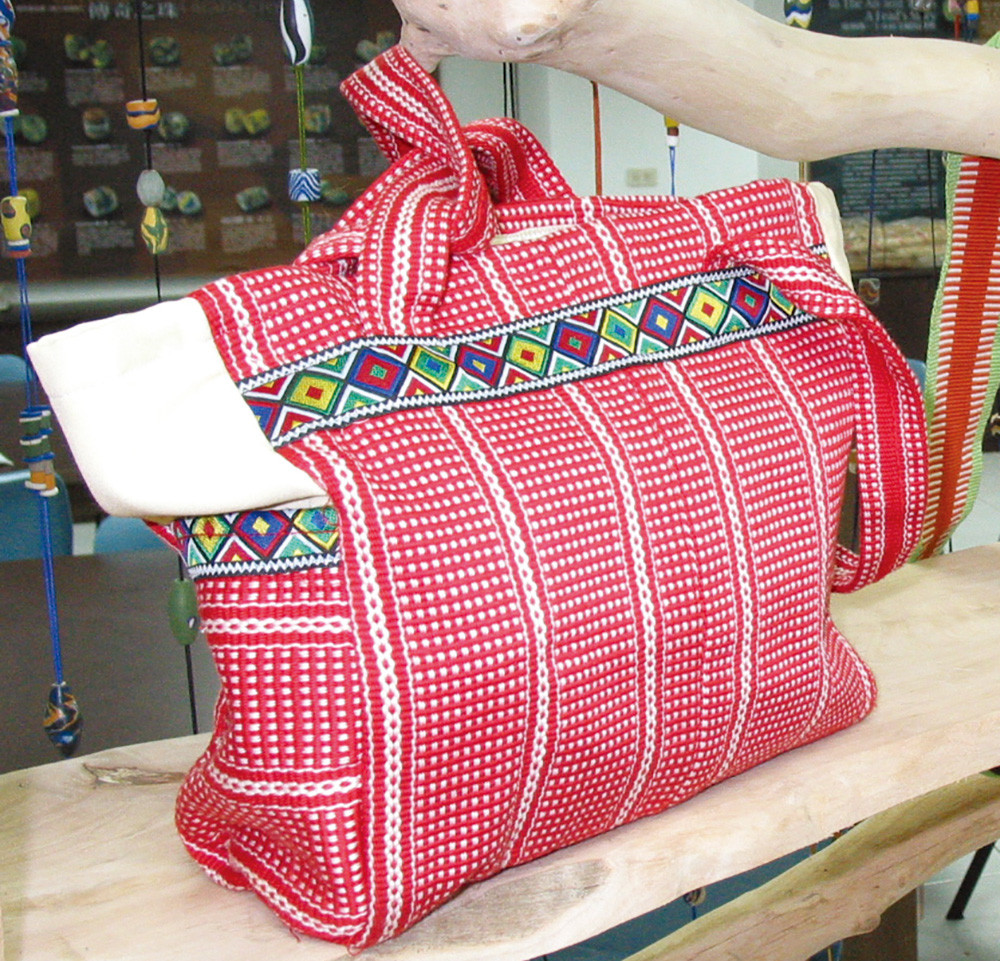
Weaving and braiding are other splendid aspects of the beautiful indigenous handicrafts. The Aboriginal Handicraft Center also provides a variety of applied weaving courses. Students can acquire weaving skills and then apply them to produce various products, for example: handbags, wraps, belts, tablecloths, or even clothes after proper tailoring. After taking the braiding courses, students will be able to use traditional materials, such as bamboo and rattan, to make braided containers, or handbags by using materials like plastics.
In order to expand the sales of indigenous goods, the Commission has set up a sale and exhibition booth to exhibit and sell glazed beads and other indigenous cultural goods. The booth is located on the first floor of the Service Center. Anyone interested is welcome to visit the booth.
Service Center of Indigenous Affairs
Address: 390 N. Cuiheng Rd, Kaohsiung City
TEL: 07-8150062
原住民藝品展售中心
高雄市前鎮區翠亨北路390號
部落工場 原住民文化的傳承
◎文/黃塑輝 ◎攝影/鮑忠暉
為了使原住民美麗文化得以傳承,高雄市原住民事務委員會於2003 年開辦「部落工場」,除了培訓原住民朋友學習傳統工藝,更希望創新文化產業中能將原住民文化發揚光大,成為極具競爭力的文化商品,進而增進原住民就業機會。許多長年從事勞工階級工作的都市中高齡原住民,尤其是原住民婦女朋友們紛紛投入,努力地在「部落工場」裏學習原住民祖先流傳的技藝,從原住民的工藝品尋求創新的靈感,轉型開創高附加價值的文化產業,開拓就業新契機。
琉璃珠傳奇重現江湖
「部落工場」開設富有原住民傳說色彩的琉璃珠課程,也安排豐富的皮雕、陶藝、織布、刺繡、貼布繡及金屬工藝等課程,讓原住民藝術特質得以發揮,開創原住民經濟事業。早期只有貴族能配戴,象徵尊貴身份地位的琉璃珠,現在儼然成為原住民特色的文化商品;琉璃珠的製造技術更曾一度失傳,直到30年前,由屏東縣排灣族,素有原住民「琉璃珠之父」美譽的巫瑪斯重新研發、大量生產,琉璃珠遂逐漸平民化並且成為原住民文化產業化的先鋒。「部落工場」禮聘巫瑪斯為首位顧問,進駐「部落工場」,開辦琉璃珠製作訓練班,教授獨家技術,並進行生產、包裝和行銷規劃,學員學習課程包括琉璃珠的文化意涵認識、文化產業化展望、設計及燒製實作等等,還實地觀摩屏東縣三地門鄉以及霧台鄉的珠藝工坊。
琉璃珠的製造過程極富挑戰性,每顆琉璃珠的圖案都堪稱匠心獨具的藝術品,由藝術工作者親手捏塑而成,因此製造者需具備美學概念才能盡興地在圖案及色彩配置上發揮創意,之後經1200度高溫燒製2次,燒製的過程相當戲劇性,燒製後的琉璃珠顏色會產生變化,隨時都可能創造出令人眼睛為之一亮的色彩,但如果出現裂痕就得重新來過。
織功夫
原住民「織布」與「編織」忠實呈現原住民精彩工藝的另一面,「部落工場」傳授織布的應用範疇相當廣,從手提袋、披肩、腰袋、桌巾到經過剪裁後製成衣服,展現織工的多變性;編織課程則教導學員以傳統的竹子和藤等材質,編製容器,也將月桃葉及塑膠納入編織提袋的素材。
為開拓原住民文化商品的銷售管道,原民會於服務中心,一樓設置藝品展售中心,展售包括琉璃珠等原住民相關文化物品,歡迎有興趣的民眾前往選購。