發布日期:2008-04-01更新日期:2008-04-01
Betel Nut Beauties Captivate Paris
Arwad Esber, the director of Maison des Cultures du Monde says, "In Taiwan, buying a package of betel nut can bring you a mixture of feelings, such as imagination, absurdity and drama. This exhibition is not only an occasion for Taiwanese artists to show their aesthetic works to the world, but is also a presentation of this exclusive feature of Taiwanese local culture, which leads to the understanding of an identity of Taiwan." Through the observation of artists, the betel nut beauties that dress in skimpy costumes and sit in glass cubicles decorated with neon lights have become a classic art of the Taiwanese sub-culture, and head to the fashion capital Paris, to shine on the stage at the 12th Festival de I'lmaginaire.
Arwad Esber says, "It is impossible to experience complicated feelings like this, when buying a slice of cheese in a French supermarket." The existence of betel nut beauties is an exotic and peculiar type of sub-culture to people outside of Taiwan. To them, they cannot imagine that there is a type of tiny green nut, which is not fruit, and that people would spit out a pool of red juice after chewing on it.
The director of Kaohsiung Museum of Fine Art (KMFA) Jin-Shyan Lee points out that the betel nut is one of the exclusive features in Taiwanese culture. Chewing betel nut can help in relieving moisture and heat related syndromes, and is particularly good for people living in the hot and humid weather in Taiwan. Betel nut culture has a long history in Taiwan and is inseparable from this island.
Although modern society deems betel nut as a type of harmful substance which would damage one's health and create a bad image, and sees betel nut beauties in skimpy costumes through coloured-lenses, it is undeniable that betel nut is one of the classic features of Taiwanese sub-culture. The specially designed and illuminated betel nut cubicles have become a signature sight of Taiwan.
In fact, the existence of betel nut beauties does not only end at the level of being a symbol of Taiwan's local culture. It also portrays the extremely strong life force at the bottom of the social pyramid in Taiwan. Furthermore, the concept of marketing is an important part of the existence of betel nut beauties. A great amount of business marketing creativity is involved when it comes to standing out among the multitude of betel nut stalls on the roads, and to attract customers to purchase a package of betel nut or a drink.
Betel Nut Beauties Exhibition includes photography, image synthesis, and theatrical performances. This is the first time that people have examined the images of betel nut beauties from a professional artistic point of view. Thus, betel nut beauties that are deemed as vulgar and philistine by local Taiwanese have turned unique and vivacious Taiwan Girls (A.K.A. Tai-Mei) into a symbol of a certain strand local culture in Taiwan. This irony is taken to an artistic level by a group of Taiwanese artists, and is packed with the flavour of Taiwanese culture.
Ying-Long Su attended this exhibition in Paris as the representative of the Exhibition Unit of KMFA. He described the event as phenomenal. Both artists from international art circles and people from the general public said that if it was in other countries, betel nut beauties may encounter discrimination or even attacks. They are deeply surprised that betel nut beauties can make it in Taiwan, and even more, become part of the local culture. Although betel nut beauty is only a sub-culture in Taiwan, its existence shows the great social tolerance in Taiwan. This amazing tolerance is what has attracted the attention of international art circles. From his point of view, Pan thinks that great culture tolerance is shown by the existence of betel nut beauties and has wowed people from all over the world.
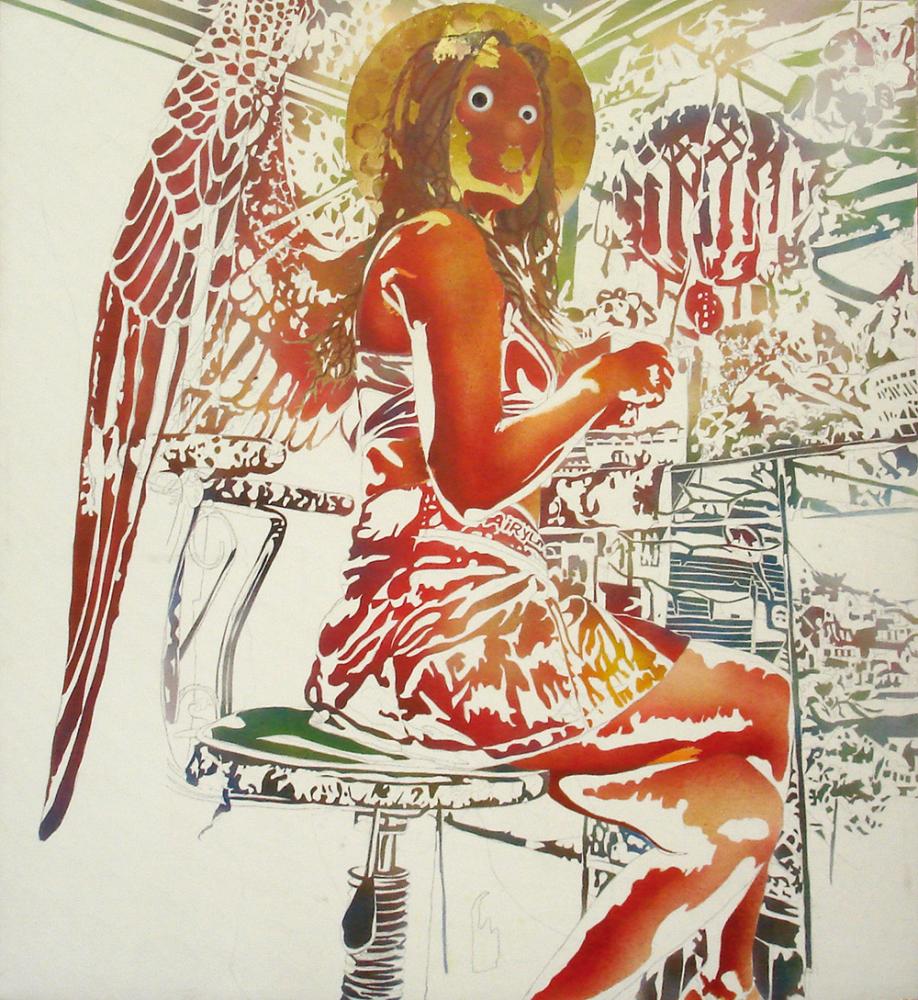
The artists who have contributed to the exhibition are Ching-Fang Lin, Ting-Fu Huang, Chung-Hua Wu, Wen-Jen Deng, Ching-Pao Chen and Shygong. They have been observing the phenomenon of betel nut beauties for many years. Ching-Fang Lin, is still a student of the Graduate School of Plastic Art, National Taiwan University of Art. He sees betel nut beauties not only as pretty girls, but more like angels. Lin used "Taiwan Girl" as his theme and the betel nut beauty is a part of this Taiwan Girl series. In his "Saint Taiwan Girl-Betel Nut Angel", he adds a pair of angelic wings on betel nut beauties in his paintings.
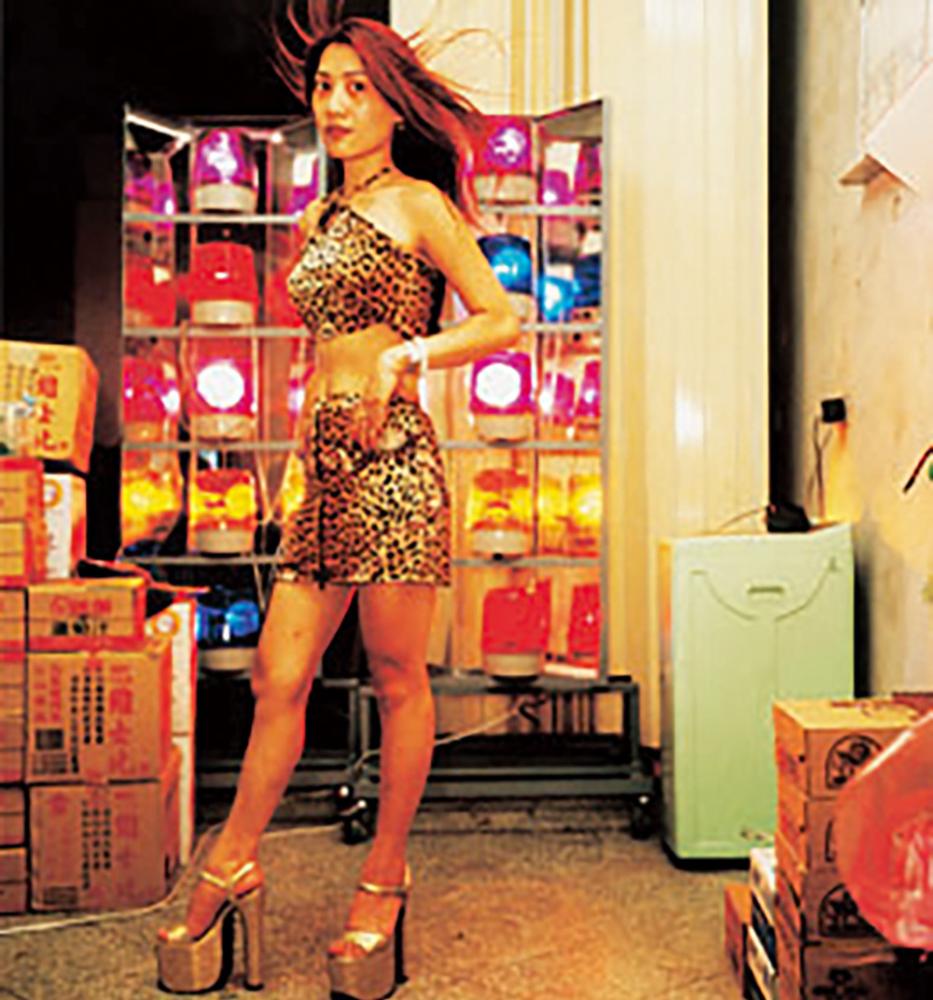
Lin says, the sight of girls in skimpy outfits in neon-lit glass cubicles is so odd that he cannot help but have a few looks every time he drives past them on the road.
Although the betel nut ladies in Lin's painting were portrayed as angels with wings, their faces were painted in an image of shattered glass. Lin says that it is because Taiwan Girl's behaviour always shatters people's fancy toward them- when you look closer, these girls are always wearing wall-thick make-up, or are being foul mouthed." But Lin thinks this is the revelation of their true selves.
The photographer Ching-Pao Chen, who is also a primary school teacher, has spent 8 years photographing betel nut beauties in northern Taiwan. He gathered the photos he took during 1996 to 2003 and published a photographic album titled "Betel Nut Girls"
What inspired Chen to photograph betel nut beauties was that when he was courting his then girlfriend, now wife, he used to chauffer her everyday passing through Jhonghe City in Taipei County. There were a lot of betel nut cubicles along the route and they caught his eye. Therefore, he decided to use his camera and capture this subculture which has already become a part of Taiwan culture.
As Chen recalls, before he started shooting, he thought that these ladies in revealing outfits really clashed with Taiwan's conservative customs. Because he had talked to the betel nut shop owners and the ladies before he start photographing them, all the photos were shot with consent and were shot openly from the front angle. By doing so, Chen also built up a good relation of trust and had wonderful interactions with them. Therefore, he was able to explore further and gain a deeper understanding of the betel nut beauty culture. He thinks that betel nut beauties are a product of Taiwan's unique social environment. Although they are different, they should not be discriminated against.
Another artist Wen-Jen Deng has been studying food and drink culture for the past few years. Her works are based on the original form and colour of food- this reflects her attitude toward betel nut beauties. She does not smear, praise, nor criticise them. She made semi-relief betel nuts by using materials such as fabric and acrylic pigments as well as gaudy elements representative of the betel nut beauties costumes such as glitter and sparkles. It looks as if the nut is saying "come eat me!"
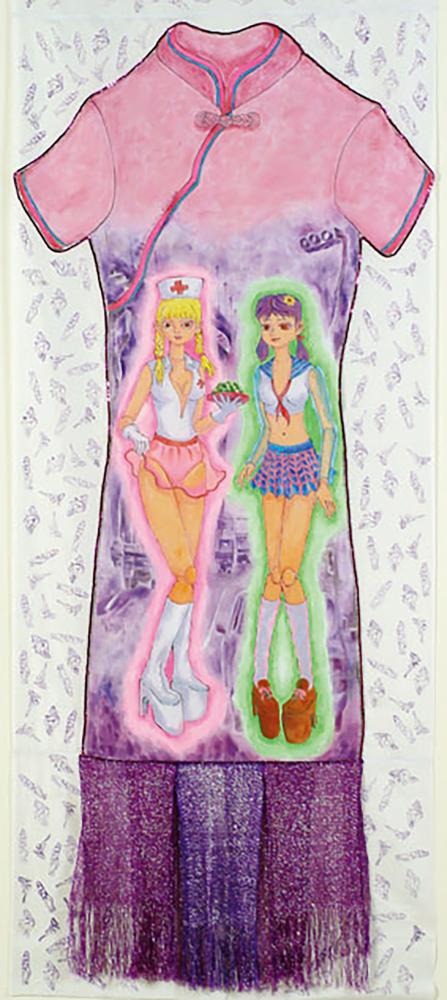
Chung-Hua Wu sees the Chinese dress of Taiwan in early 20th century as a symbol of traditional Taiwanese females, and betel nut beauties as a symbol of new modern females. Her work is to combine Chinese dress, the betel nut beauties, and Barbie dolls. These 3 symbols together try to open a conversation of the ideology of modern women in Taiwan.
Ting-Fu Huang's contribution to this exhibition is a documentary of betel nut beauties. Shygong's design is a betel nut cubicle on an electronic floral cart. It represents the aesthetics case of the exclusive local culture of Taiwan. It also highlights the ironic clash and co-existence of high and low classes that exist in every society.
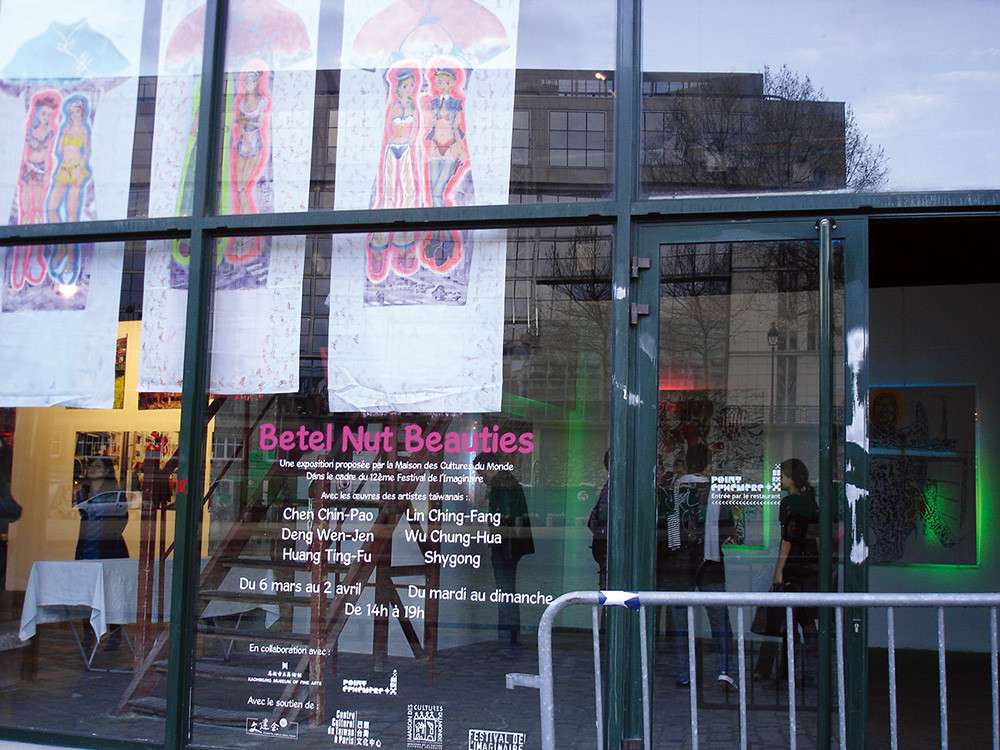
The exhibition "Betel Nut Beauties" is co-hosted by KMFA and Maison des Cultures du Monde. It started on 6th of March at the hall of Pont Ephemere in Paris. Among the 19 countries that have joined the 12th Festival de I'lmaginaire, seventeen of them are performing art groups. There are only two countries at this festival with art exhibitions and Taiwan is one of them. Through advertisements in the free magazine of Maison des Cultures du Monde, which is widely distributed in underground stations around Paris, the name of Betel Nut Beauties from Taiwan has been spread to every corner of Paris.
檳榔西施我愛妳 魅惑巴黎
◎文/無明 ◎照片提供/高雄市立美術館
巴黎世界文化館長Arwad Esber說:「在台灣買一包檳榔的同時,也帶來了想像、荒誕與戲劇化的心情,這個展覽讓台灣藝術家不僅呈現出美學的境界,也同時表現出在地文化的性格,表現出台灣認同。」於是,挺胸翹臀穿著薄紗坐在霓虹燈管裝飾的玻璃屋內招徠客人的檳榔西施,透過藝術家的觀察,幻化成台灣社會次文化經典藝術,前進全球時尚之都巴黎,躍上巴黎第十二屆「想像藝術節」(Festival de I'lmaginaire)。
Arwad Esber說「法國超市買一塊乳酪,是不可能有這麼多的心情」,在外國人眼中,是充滿著異國風情的奇特次文化。尤其,一粒不起眼的綠色果實,不是水果,嚼食後還會吐出一大灘的紅色汁液,有些難以理解。
高雄市立美術館前館長李俊賢表示,檳榔是台灣獨特的文化之一,具有去濕解熱功效,炎熱的天氣裡,嚼食檳榔可以解除濕熱產生的不適及疲勞,檳榔在台灣的歷史悠久,與這片土地有著不可分割的情感。
雖然現代社會以有礙健康與形象的角度看待檳榔,也以有色眼鏡看待穿著清涼的檳榔西施,但檳榔西施是台灣次文化的經典之一,不容否認,造型獨特閃亮的檳榔攤也早已是台灣社會一景。
其實,檳榔西施代表的意涵不僅止於在地文化意涵,也是台灣基層豐富生命力的另類呈現,甚至有著市場行銷學的概念在其中,如何才能在街頭林立的檳榔攤中突出,吸引顧客登門,購買一包檳榔或是一瓶飲料,其中蘊涵商業行銷的巧思。
「檳榔西施我愛妳」展覽有攝影、合成影像與劇場表演等形式呈現,也是第一次從藝術專業眼光省視檳榔西施現象,於是在國人眼中看似庸俗的檳榔西施,變成充滿活力,獨樹一幟的台妹,既犬儒又遊戲,透過台灣藝術家傳遞出美學的境界,散發著濃濃台灣本土味。
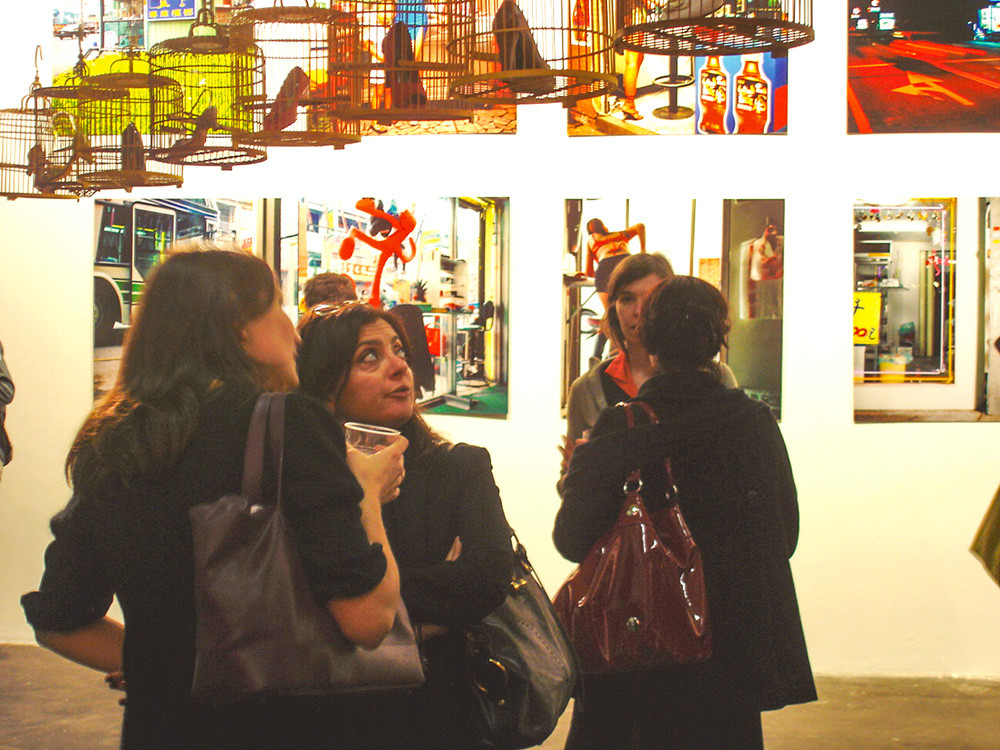
前往巴黎參展的高雄市立美術館展覽組蘇盈龍以盛況空前形容展覽,許多外國藝壇人士及參觀民眾說,檳榔西施若在他國可能被歧視甚至被攻擊,但卻能在台灣存在。雖然只是次文化,卻展現了台灣社會的包容度,這種寬容正是吸引外國藝術界注意的重要原因。他認為,台灣對不同文化的包容由此可見,連外國人都忍不住要讚嘆!
參展藝術家林慶芳、黃庭輔、吳瓊華、鄧文貞、陳敬寶及施工忠昊,他們都長年關注檳榔西施現象,在台灣藝術大學造形藝術研究所學生林慶芳眼裡,檳榔西施不但是漂亮的女孩,更像是天使。林慶芳曾以「台妹」為創作主題,檳榔西施是台妹系列的一環,「聖台妹:檳榔天使」系列畫作中,他為檳榔西施加上天使的翅膀。
每回經過省道時,霓虹燈屋加上清涼辣妹,在一片田野荒涼景色中,顯得有些突兀卻很醒目,停車時都不免多看幾眼,覺得很開心。
雖然,林慶芳畫中的檳榔西施都幻化成有翅膀的天使,面貌卻都如玻璃般的破碎,因為「台妹的行為舉止,常會令人感到幻滅,像是近看她們,粉都塗的很厚,或口出三字經」,不過,他認為這是「自然的流露」。
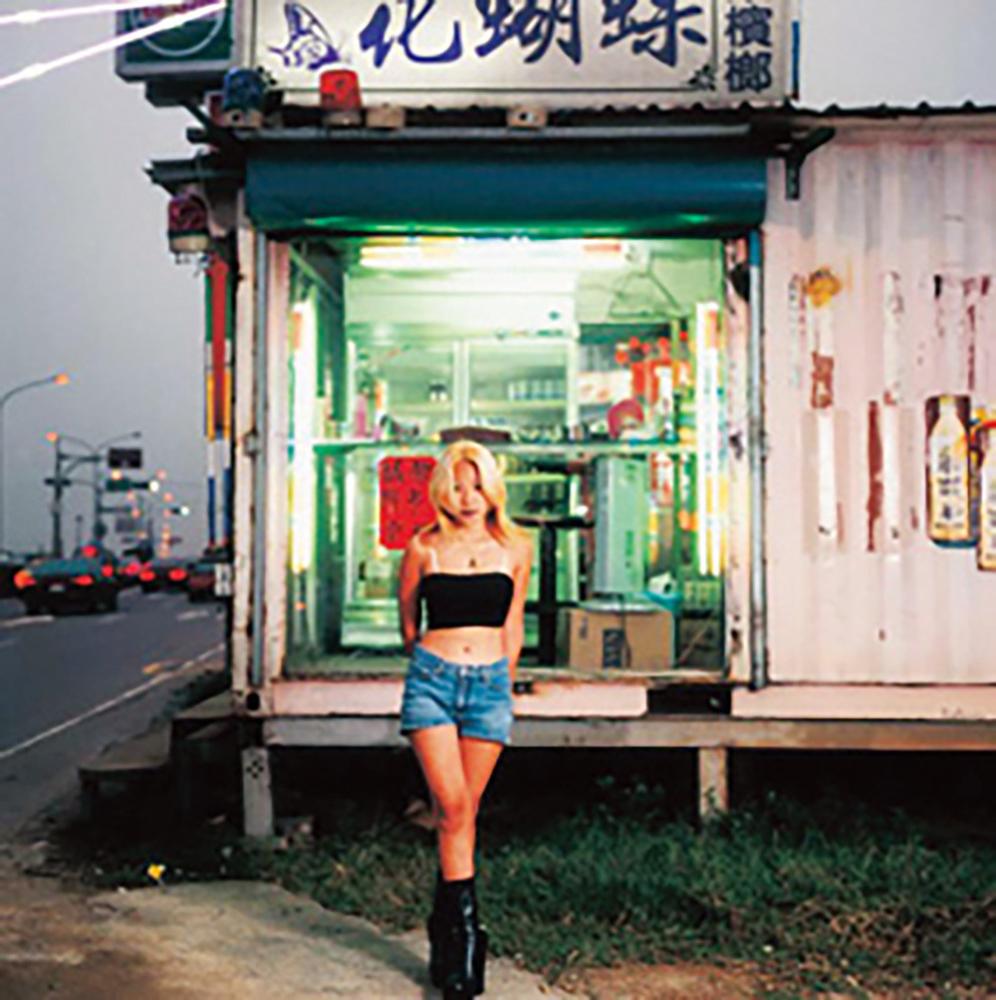
攝影家也是小學老師的陳敬寶則是花了八年時間,從1996年至2003年間,以北部檳榔西施為對象進行拍攝,還彙集成「片刻濃妝」攝影集。
會令陳敬寶興起拍攝檳榔西施念頭的動機,是因為當年追求女友也是現在的太太,每天往返接送,行經台北縣中和途中看到許多檳榔攤,決定用鏡頭捕捉早已與台灣社會密不可分的次文化。
回憶拍攝之初,心裡認為西施們穿著清涼暴露衣服,與傳統的社會善良風俗相違背。因為都是事先徵得老闆及西施們的同意,所以所有角度都是正面,也因此建立起不錯的互動,也因而讓他能深入了解認識檳榔西施文化。他認為,這是台灣社會環境下的產物,雖然顯得特殊另類,但不應以歧視的眼光看待檳榔西施。
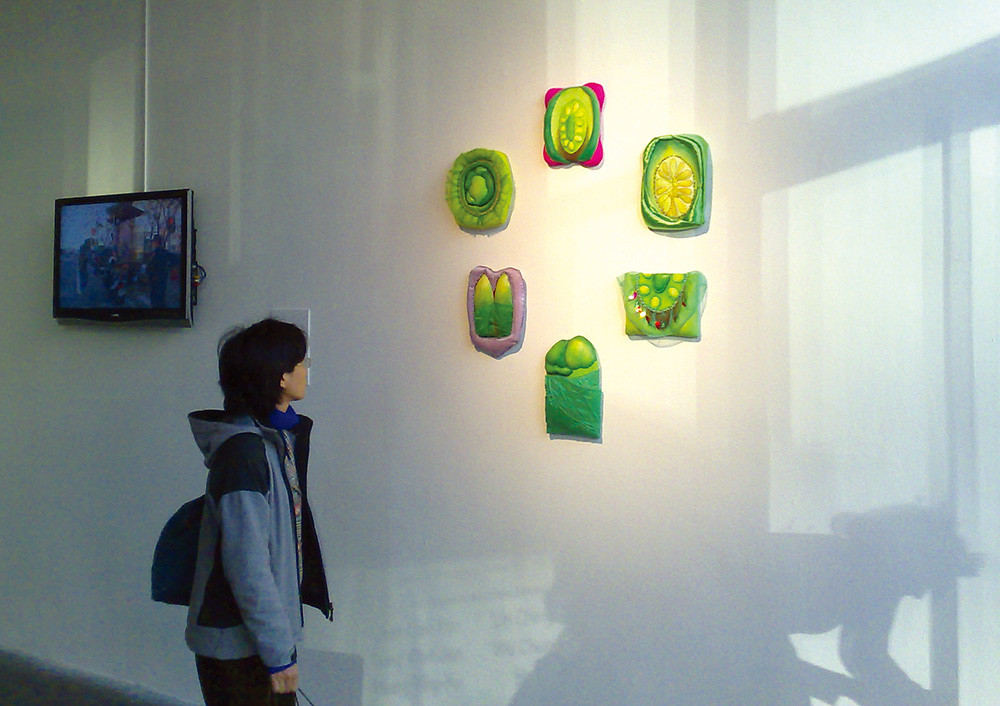
近年來研究飲食文化的鄧文貞,擷取食物的形與色,不醜化、不歌頌、也不批判西施文化,而是以半浮雕的軟雕造型,以布料、壓克力顏料與複合媒材,結合西施身上的穿著,彷彿檳榔西施說著:「來吃我吧!」
吳瓊華則是將台灣民初的旗袍解譯為傳統女性符號,而檳榔西施成為新現代女性。作品將旗袍、西施及芭比娃娃三者交織,開啟當代女性意識的對話與思辯。
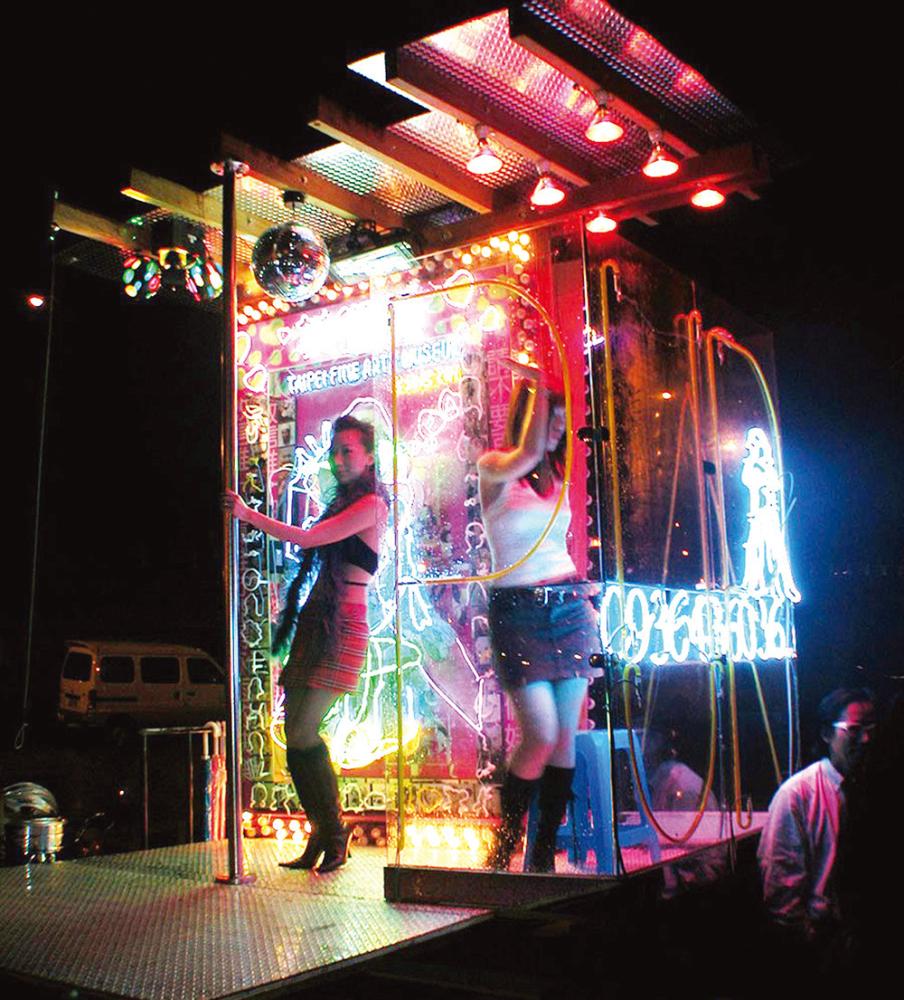
黃庭甫拍攝紀錄片;施工忠昊則是設計電子花車檳榔攤,呈現台灣的通俗文化美學,頗有美學公案的當代翻版,將任何社會都存在的雅與俗的不對稱平行關係,進行對照。
高雄市立美術館與巴黎世界文化館(Maison des Cultures du Monde)共同策辦的「檳榔西施我愛你」展覽已於3月6日於巴黎Point Ephemere空間順利開展,十九個參展國家中,有十七個國家為表演藝術團體,只有兩個國家是以展覽形式參與,台灣是其中一個。透過世界文化館在地鐵贈閱的雜誌上刊登廣告宣傳,「檳榔西施我愛妳」已傳達至巴黎市每個角落。