發布日期:2026-04-20更新日期:2026-04-17
The 'Holy Chalice' Journey of a Kaohsiung Ceramic Artist
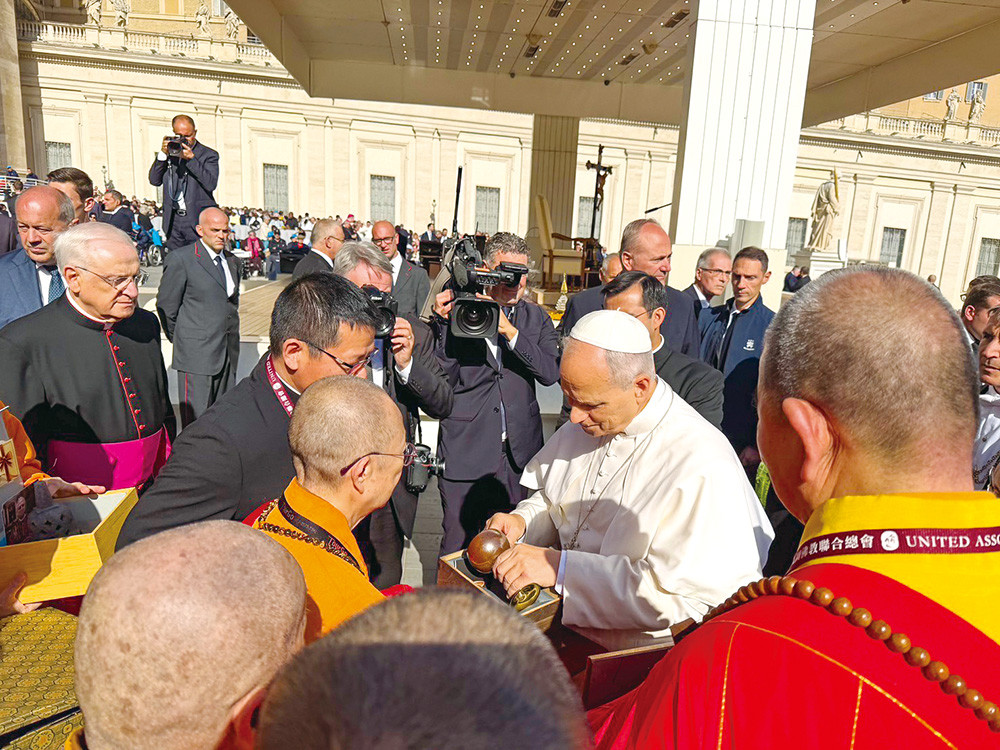
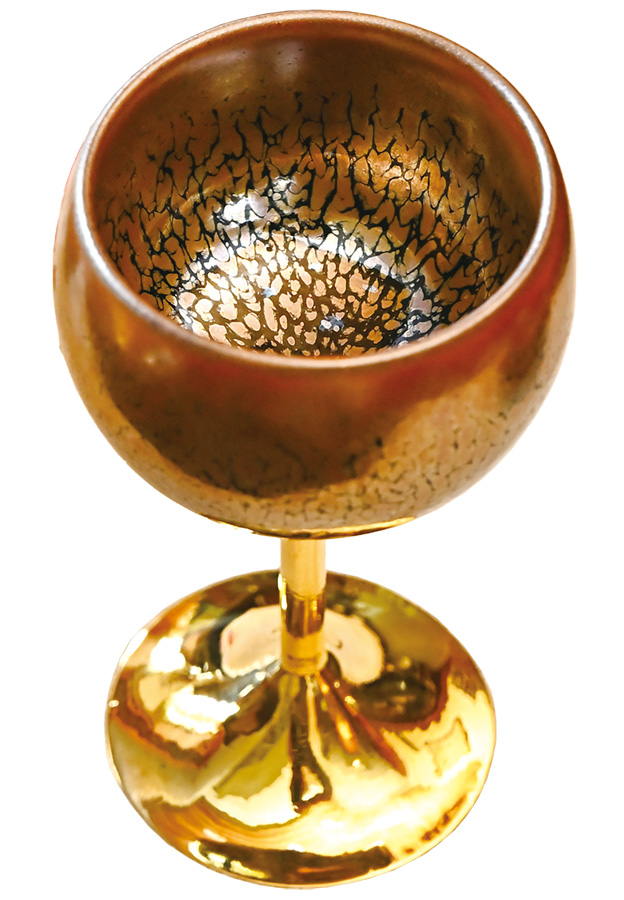
The Golden Iridescence Oil Spot Glaze Tenmoku Chalice, created by Kaohsiung ceramic artist Zhang Gui-wei(張桂維), was presented to Pope Leo XIV in 2025 by a Taiwanese religious organization during a Vatican interfaith exchange event. It is the first chalice to fuse Eastern ceramic artistry with Western religious symbolism. According to reporters present at the scene, the Pope's “eyes lit up” upon receiving the gift.
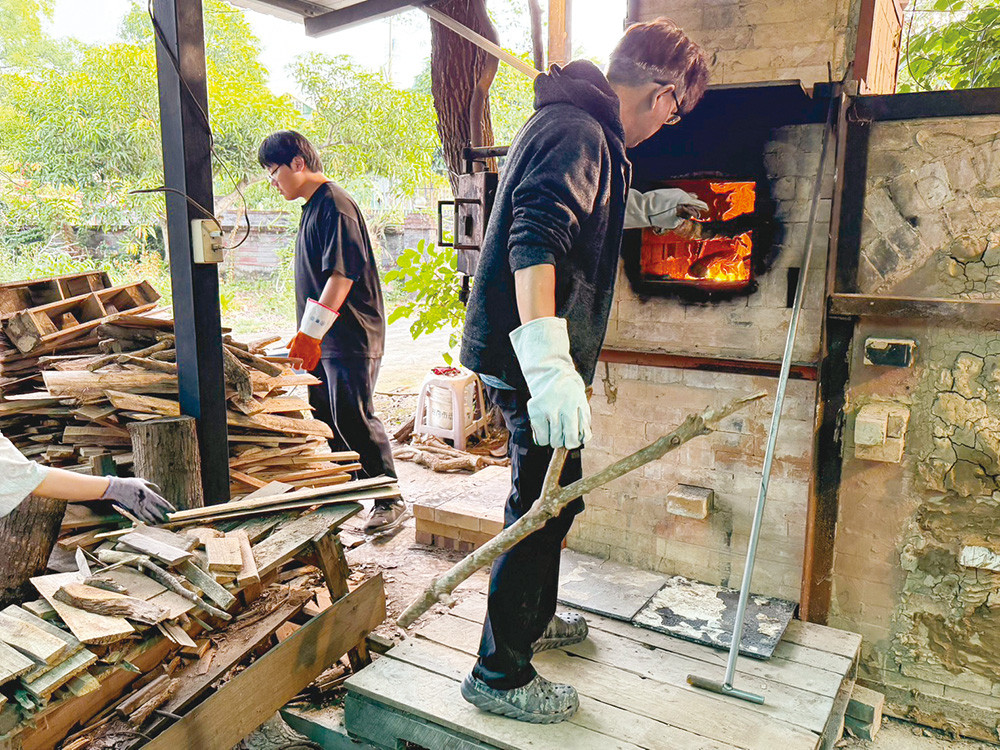
Zhang believes the chalice symbolizes “transformation.” During firing, the ceramic undergoes high-temperature magnetization and acquires a magnetic field. When tested with water, the water's pH shifts from slightly acidic to slightly alkaline. Only a piece with such qualities, Zhang says, can truly be called a “holy chalice.”
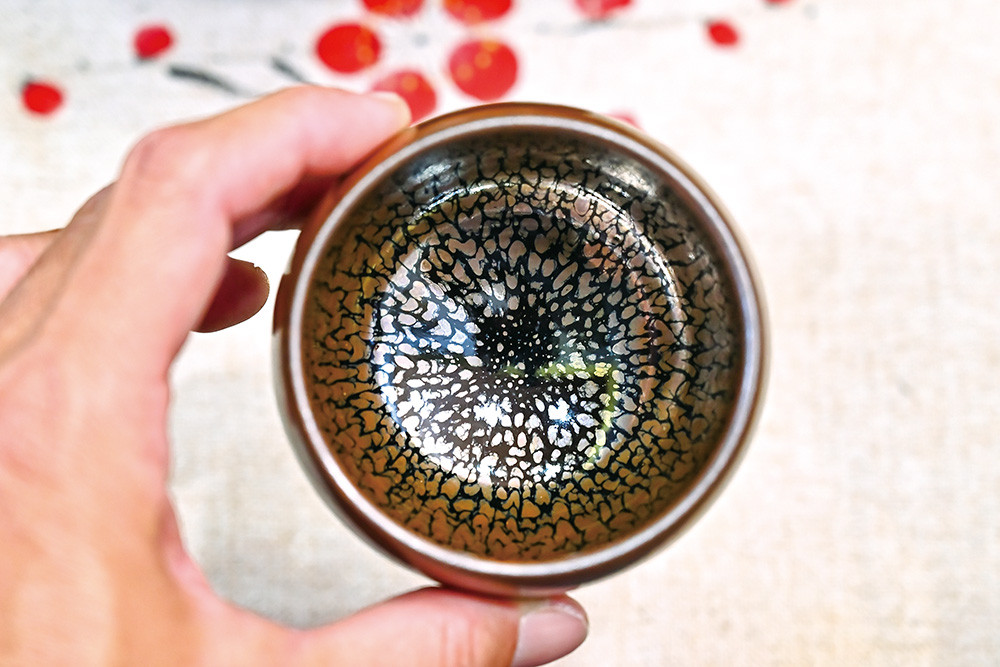
Progressing beyond the Song Dynasty tradition of exclusively silver oil-drop glazes, Zhang incorporates the concepts of yin-yang and taiji to control firing conditions. In 2010, he successfully produced the world's first golden iridescence oil-spot glaze tenmoku work. In 2015, he created the unprecedented golden hare-fur style of tenmoku, and in 2019, he developed the firmament tenmoku. Continuously pushing new boundaries, his work has received high recognition from international academic and artistic communities and is collected by major museums in Taiwan and abroad, including the British Museum.
Zhang Gui-wei trained within the Japanese tenmoku glaze tradition and came to realize that, while forms are easy to imitate, glaze colors are not. He therefore dedicated himself to glaze research, blending Taoist thought, Zen Buddhism, and philosophy, using the yin-yang and taiji concepts to control kiln conditions and develop entirely unique tenmoku glazes.
Drawn by the natural beauty of its mountains, rivers, ocean, and harbors, as well as the warmth of its people, Zhang chose Kaohsiung as a place where he could focus on his creative work, while actively promoting ceramic cultural diplomacy and international exchanges. When interacting with younger generations, he emphasizes the importance of patience and determination—encouraging them to persist in their craft, trusting that when the time is right, meaningful results will naturally emerge.
高雄陶藝家的「聖杯」之旅
文/紅髮愛玲.圖/Carter
照片提供/張桂維
高雄陶藝家張桂維創作的「金彤油滴天目釉聖杯」,2025年由臺灣宗教團體於梵蒂岡宗教交流活動中贈與教宗良十四世,為首件融合東方陶藝與西方宗教象徵的聖杯作品,據現場記者描述,教宗收到贈禮「眼睛為之一亮」。張桂維認為聖杯象徵「轉化」,燒窯時陶瓷經高溫磁化帶有磁場,裝水實測,水質由弱酸轉為弱鹼,這樣的作品才是他心目中的「聖杯」。
他突破宋代以來僅有銀色油滴釉的限制,以陰陽太極圖概念融入哲學精神控制火侯,2010年成功燒製千年首見的「金彤油滴天目」,2015年燒出前所未有的「金絲兔毫天目」,2019年研製「蒼穹天目」,持續開創新境,獲國際學術與藝術界高度肯定,作品典藏於大英博物館等國內外多家重要博物館。
張桂維師承日系天目釉體系,體認造型易仿、釉色難複製,遂專注釉色研究,融合道家、禪宗與哲學,以陰陽太極圖概念控制火候,發展出獨一無二的天目釉色。山海河港的美景與人情味讓他落腳高雄,專心創作,同時積極推動陶藝文化外交與國際交流。對後進強調須具備耐心與決心,持續深耕創作,時機成熟時,自會綻放美好成果。