發布日期:2025-12-22更新日期:2025-12-24
Artifacts from Scrapped Ships: Huang Dao-ming's Maritime Antiques Shop
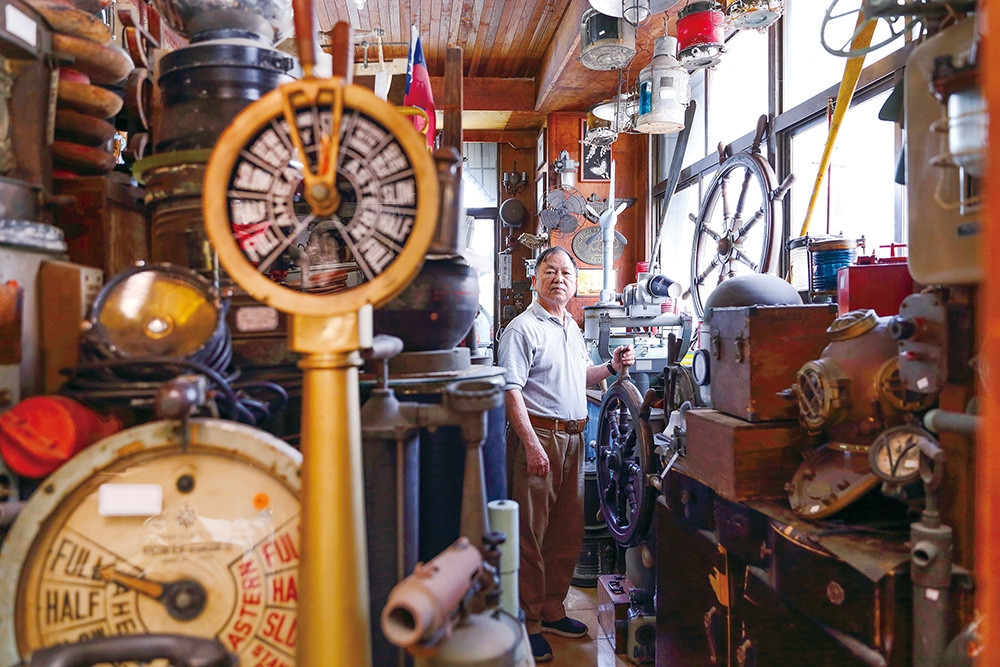
You may have already seen some of Huang Dao-ming's treasured items, as they appeared in the film Life of Pi(少年Pi的奇幻漂流). His Maritime Antiques Shop(航海古董商行), located near Kaohsiung's Love River, greets visitors with diving helmets, wooden ships' wheels, and clocks displayed at the entrance.
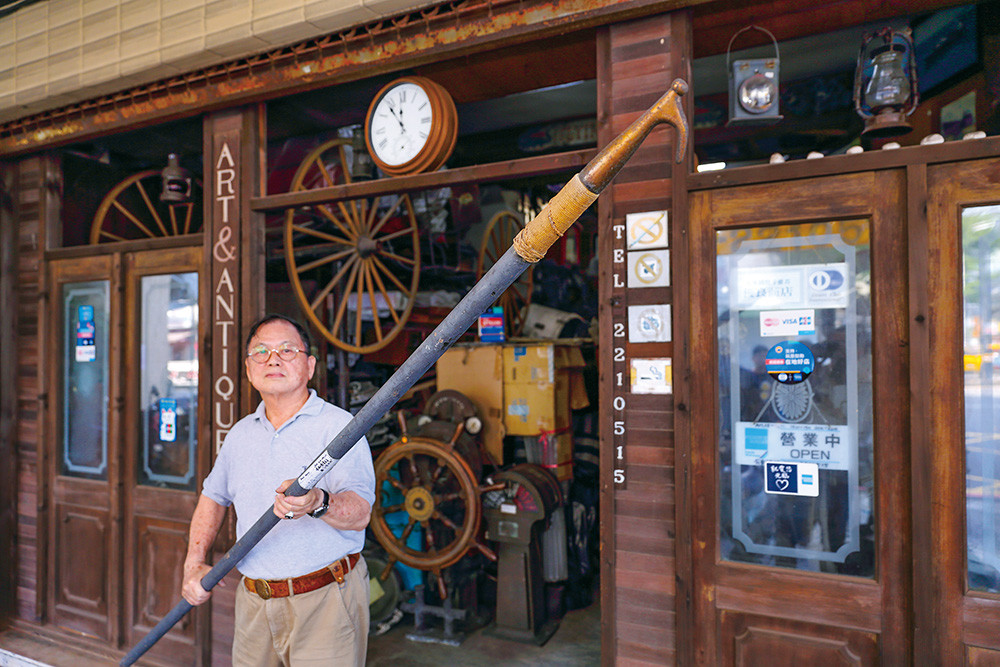
The shop's narrow walkway feels like a time tunnel. From an antique gramophone salvaged from an old passenger liner, gentle melodies drift through the air, making you feel as if you've stepped into a ship's cabin. Every vintage object in the shop carries memories of a life spent at sea.
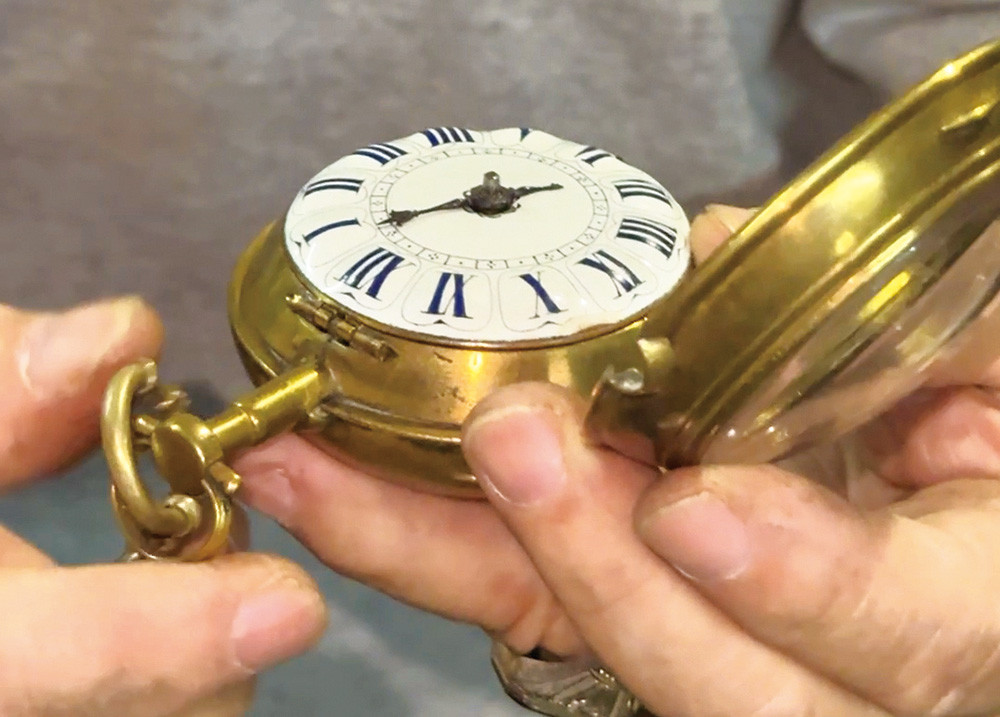
Huang grew up in the warehouse districts adjacent to the Port of Kaohsiung, and as a child he watched workers dismantle equipment. His father was a teacher, and their home was often filled with writers and scholars. He still vividly remembers the elegant gesture of someone pulling out a pocket watch—an image that sparked his fascination with metal, machinery, and eventually, his lifelong connection to seafaring artifacts.
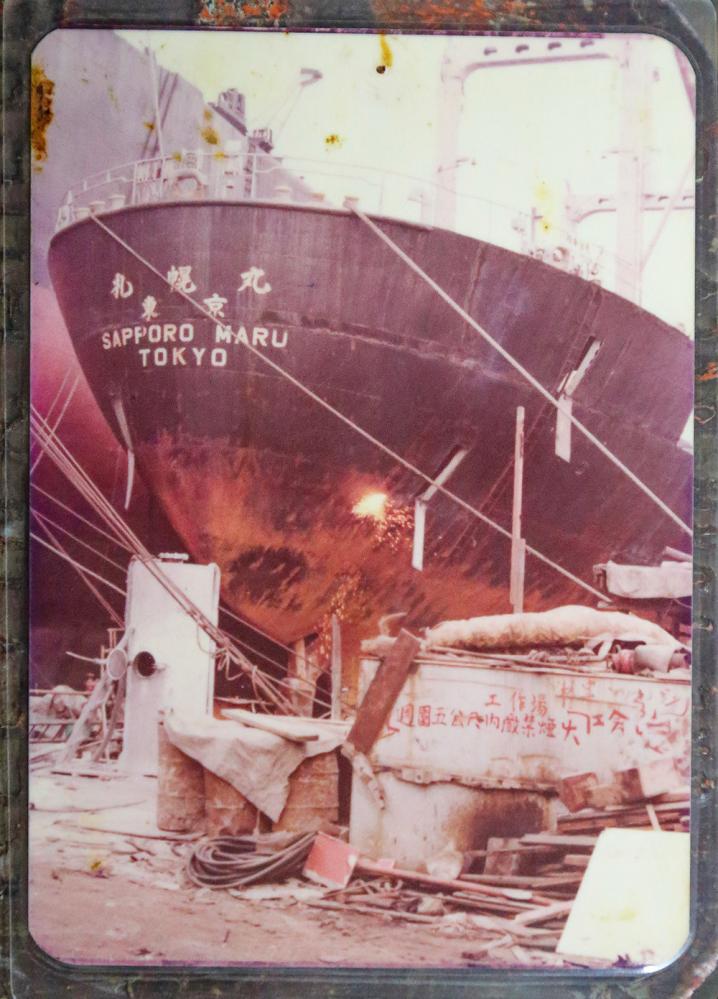
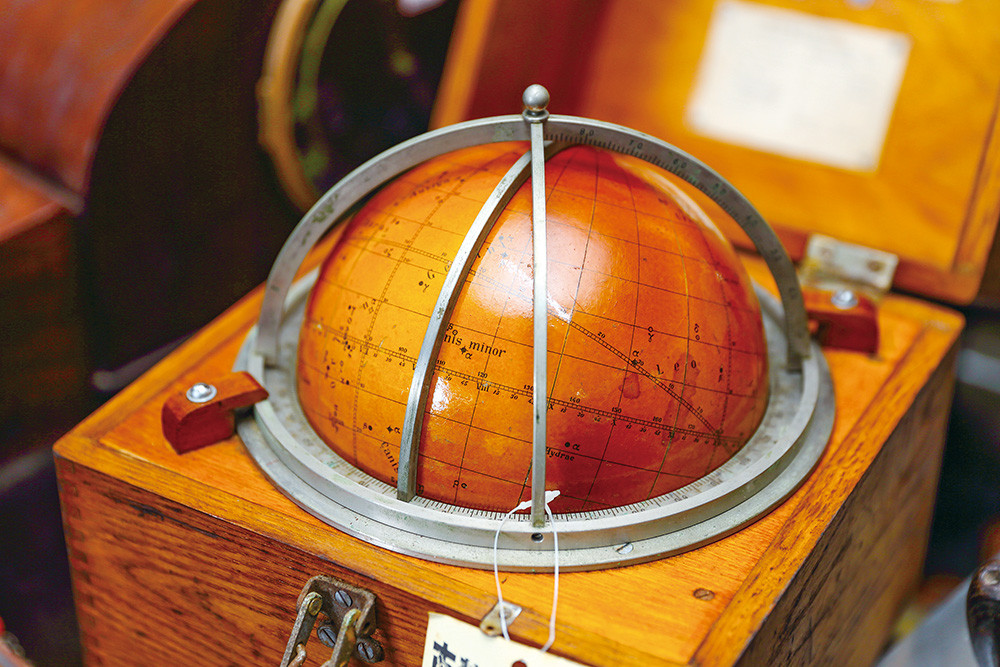
In the 1970s, Kaohsiung was known throughout the world as the "Shipbreaking Kingdom." During his military service, Huang was exposed to the shipbreaking trade. After he was discharged, he devoted himself to acquiring, restoring, and reselling nautical equipment. His favorite items include marine chronometers, sextants, and armillary spheres—navigation tools once essential to seafarers. Although many of the nautical charts in his shop have faded with age, their routes and latitudes remain clearly visible. “All of these charts once passed through Kaohsiung,” he says, regarding them as pieces of the city's history.
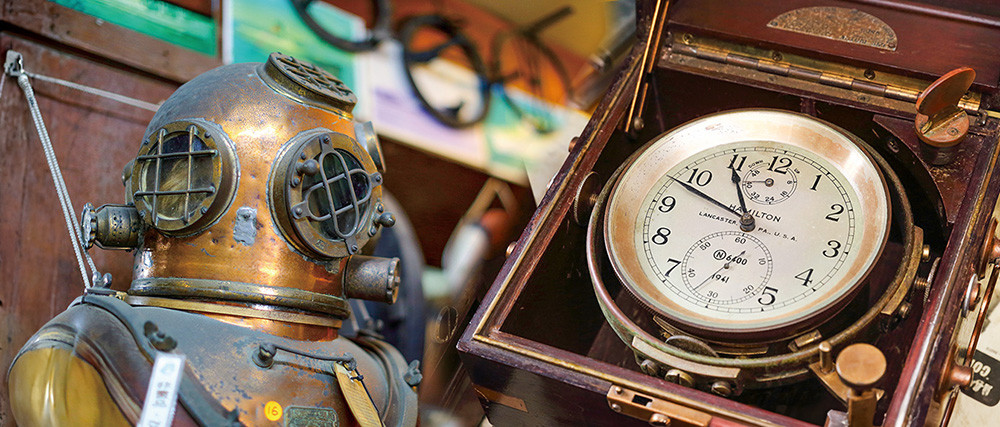
Huang's collection has earned international recognition. The production team of Life of Pi rented props from him, giving his old artifacts a chance to shine on the big screen. Over the years, collectors, scholars, and visitors from around the world have come to his shop. Kaohsiung's shipbreaking industry may be a thing of the past, but memories of the sea—and the spirit of the vessels that once sailed across it—still linger within his small shop, quietly telling stories of their former glory.
讓拆船老物件重生的收藏家──黃道明與他的航海古董商行
文/蘇宇翎
黃道明的珍藏你可能看過,曾出現在電影《少年Pi的奇幻漂流》裡!他的「航海古董商行」臨靠愛河,門口擺滿潛水頭盔、木舵與時鐘,狹窄走道宛如時光隧道。來自老客輪的百年留聲機傳出悠揚樂聲,讓人像置身船艙,店內的老物件承載著海上航行的歲月。
黃道明成長於高雄港邊倉庫區,自小觀察工人拆卸物件。父親是教師,家中文人往來頻繁,掏出懷錶的優雅姿態,讓他迷上金屬與機械,也開啟與航海的緣分。
1970年代的高雄是世界知名的「拆船王國」,黃道明當兵時接觸拆船買賣,退伍後投入收購、修復與轉售航海用品。他特別鍾愛天文鐘、六分儀與星球儀,皆是昔日船隻的導航工具。店中收藏的航海圖紙雖已褪色,航線與緯度仍清晰可辨,「那些圖都曾經到過高雄。」他視為城市的歷史印記。
黃道明的珍藏聞名國際,《少年Pi的奇幻漂流》劇組曾向他租借道具,讓老物件在大銀幕重現風華。多年來,收藏家、學者與外國訪客皆曾拜訪。即使拆船業成為過往,但那些航海記憶與船的靈魂,仍在他的小店中訴說往日榮光。