發布日期:2026-06-22更新日期:2026-06-09
Echoes of the Taivoan Homeland
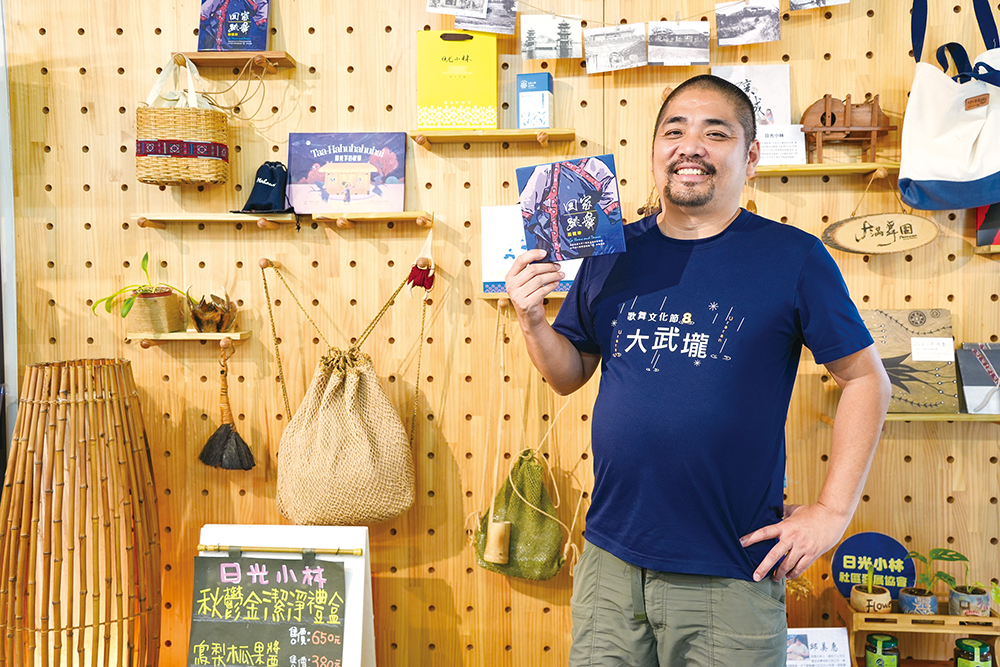
For the people of Siaolin Village(小林村), the Taivoan Dance Theatre(大滿舞團)represents a path home. After Typhoon Morakot devastated their homeland in 2009, many community members moved away, leaving an emotional void that was difficult to fill. In an effort to reconnect with his cultural roots, Wang Min-liang(王民亮)returned to his home village and founded the troupe. Named “Daman,” a Minnan (Taiwanese Hokkien) homophonic rendering of Taivoan, it brings community members together through song and dance, helping them rediscover their ethnic identity amid the pain and aftermath of disaster.
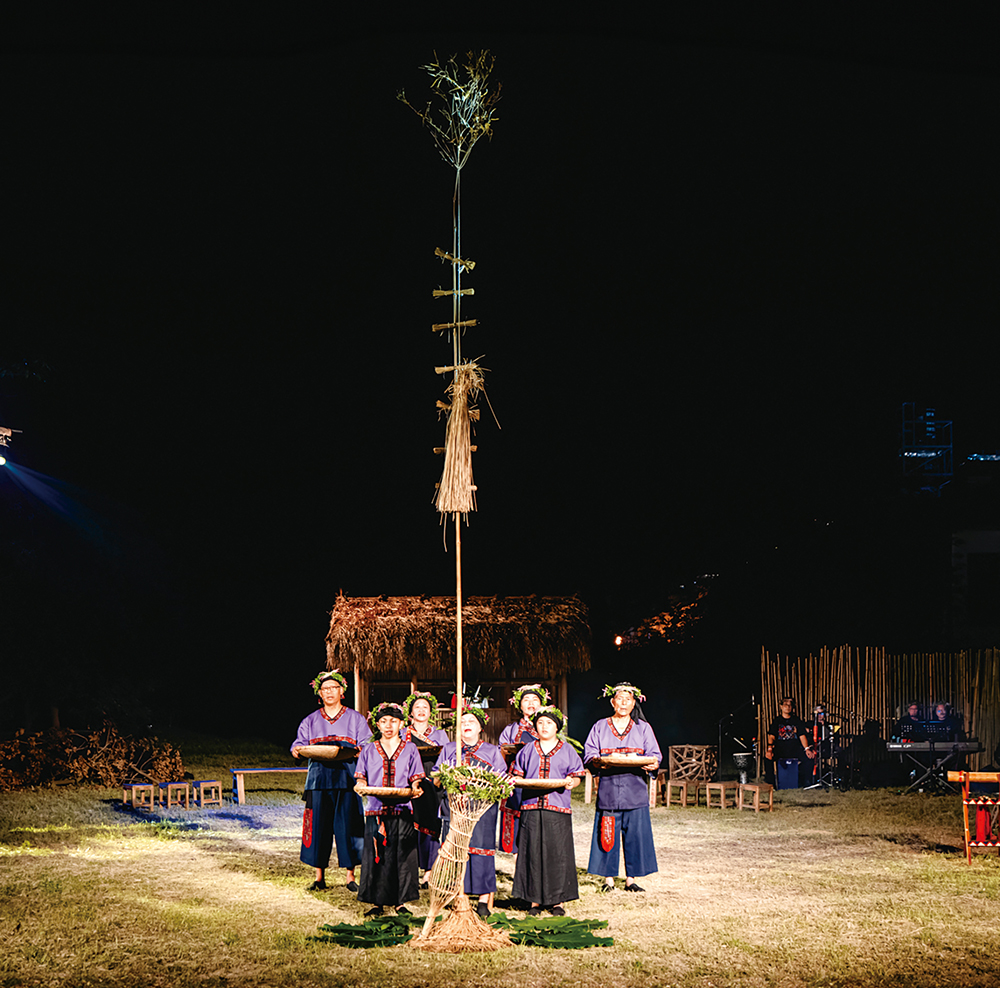
Facing a severe cultural rupture following the catastrophe, the troupe actively began collecting scattered ancient ballads and ceremonial traditions. Member Pan Pin-tsen(潘品岑)repeatedly listened to her grandmother singing over the phone, overcoming language barriers to record the old melodies. Another member, Lo Pan Chun-mei(羅潘春美), rediscovered the rhythm of everyday life while teaching younger generations heritage dances and food culture, allowing cultural traditions to thrive through daily living.
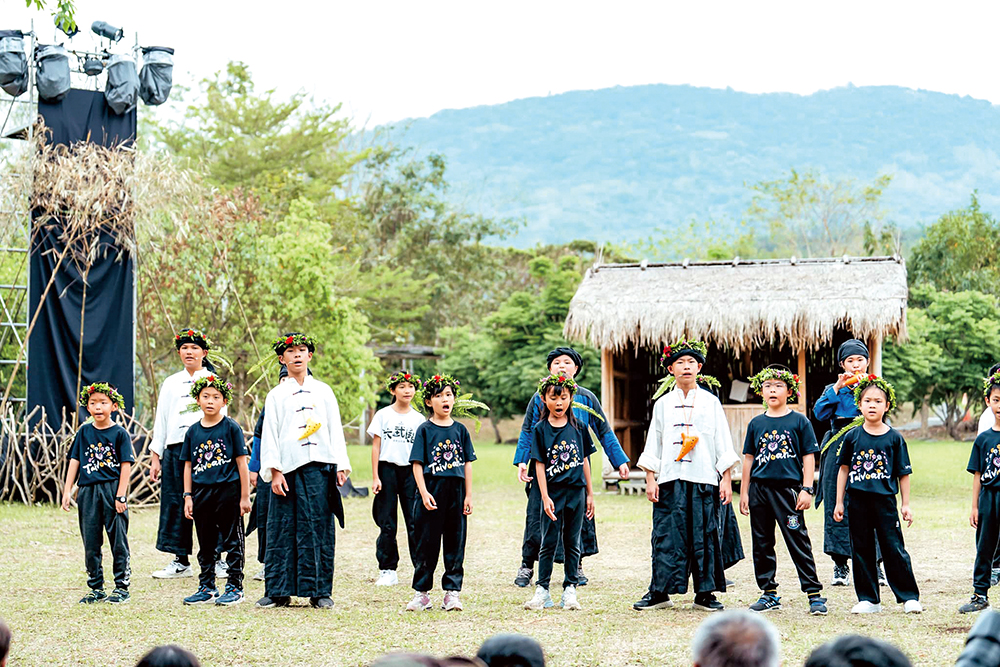
Behind this ongoing cultural inheritance lies the resilience of women. Many troupe members are mothers and caregivers who continue singing in the midst of their busy lives. Members support one another with childcare, allowing children to grow up surrounded by the melodies of ancient songs. Women such as Jhang Huei-cih(張惠慈)constantly shift between the roles of mother and association staff member, using quiet strength to protect and sustain the community.
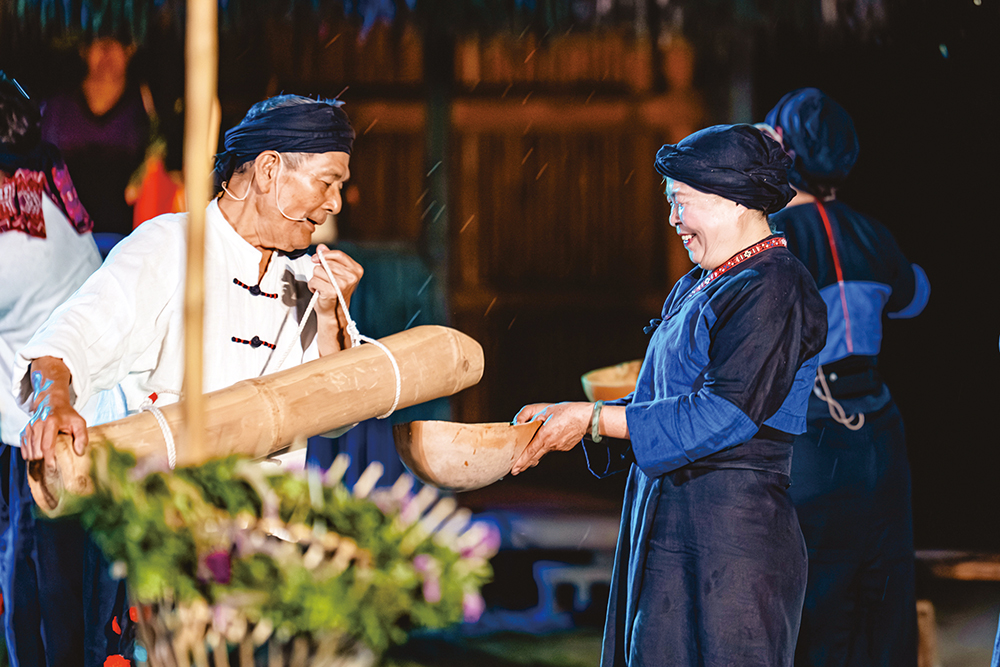
When the seeds of culture naturally become woven into the process of growing up and living, culture is no longer something merely preserved. The women of the Taivoan Dance Theatre have become vessels of cultural memory themselves. As memories transform into songs, the vanished village is woven anew through melodies and dance steps into a renewed sense of home.
以古謠共振 打造大武壠土地迴響
文/李曉萍
對小林村族人而言,「大滿舞團」是一條回家的路。2009年莫拉克風災重創家園,族人遷居後內心的空缺難以安放,為了找回自身文化,王民亮返鄉成立舞團,以大武壠族(Taivoan)閩南語諧音「大滿」為名,號召族人用歌舞互相陪伴,從傷痛低谷中找回族群認同。
面對災後嚴重的文化斷層,舞團積極採集散落的古謠與祭儀。團員潘品岑透過電話反覆聆聽阿嬤吟唱,克服語言障礙記下古調;另一位團員羅潘春美則在教導年輕人傳統舞步與飲食的過程中,重拾回生活節奏,也讓文化與生活傳承下去。
這份傳承背後,展現了女性堅毅的「女力」。成員多身兼母親與照護者,她們在生活的縫隙中持續唱歌。團員間互助托育,讓孩子在古謠旋律中長大,如張惠慈等成員,在母親與協會工作人員的多重角色間隨時切換,以柔韌的力量守護部落。
當文化種籽自然滲入成長脈絡,形成生活的一部分,便不再只是被保存的對象,大滿舞團所展現的女力成為文化載體,隨著記憶化為歌聲,讓消逝的部落在音符與舞步之間,編織成新的家園。